The client
A European master built on earth
TERRA, the European Master in Earthen Architecture and Construction, is an Erasmus Mundus Joint Master co-funded by the European Union. It is delivered by four universities: the University of Minho in Portugal, which coordinates the consortium, the Technical University of Valencia in Spain, ENTPE in France and the University of Florence in Italy.
The one-year, 60 ECTS programme awards a double Master's degree and rotates among the partners: students follow their coursework at one university and write their dissertation at another. Around 40 associated partners, from universities and research centres to companies and NGOs, support the programme, which welcomes its first students in September 2026.
Client
TERRA Consortium, coordinated by the University of Minho
Sector
Higher education, Erasmus Mundus Joint Master
Year
2025, 2026
Services
Brand identity, website design and development, Moodle e-learning platform, roll-up, poster
Website
msc-terra.org
The challenge
A brand new programme for candidates worldwide
After securing Erasmus Mundus funding, the consortium needed to present a brand new programme to candidates from all over the world, with no name recognition yet and its first call for applications about to open.
The information was dense and shared by four institutions: three application calls with their own dates and scholarships, admission requirements, participation costs, seven course units, teaching staff from four countries, and the documents students and partners need along the way.
The brief: an identity that speaks of earth, heritage and sustainability, and a website that turns all this information into a clear path from first visit to application.
Brand identity
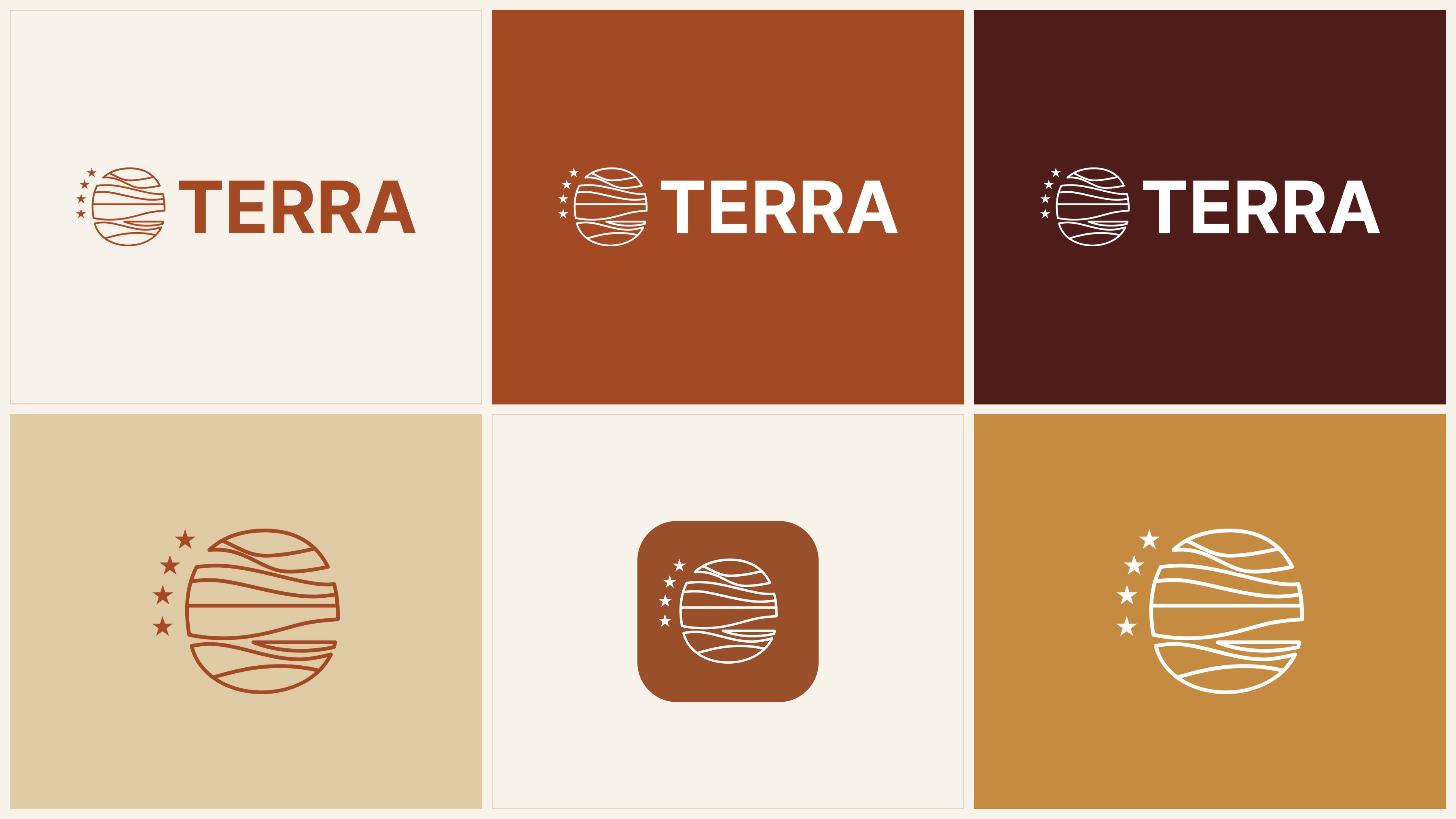
Layers of earth, gathered in a sphere
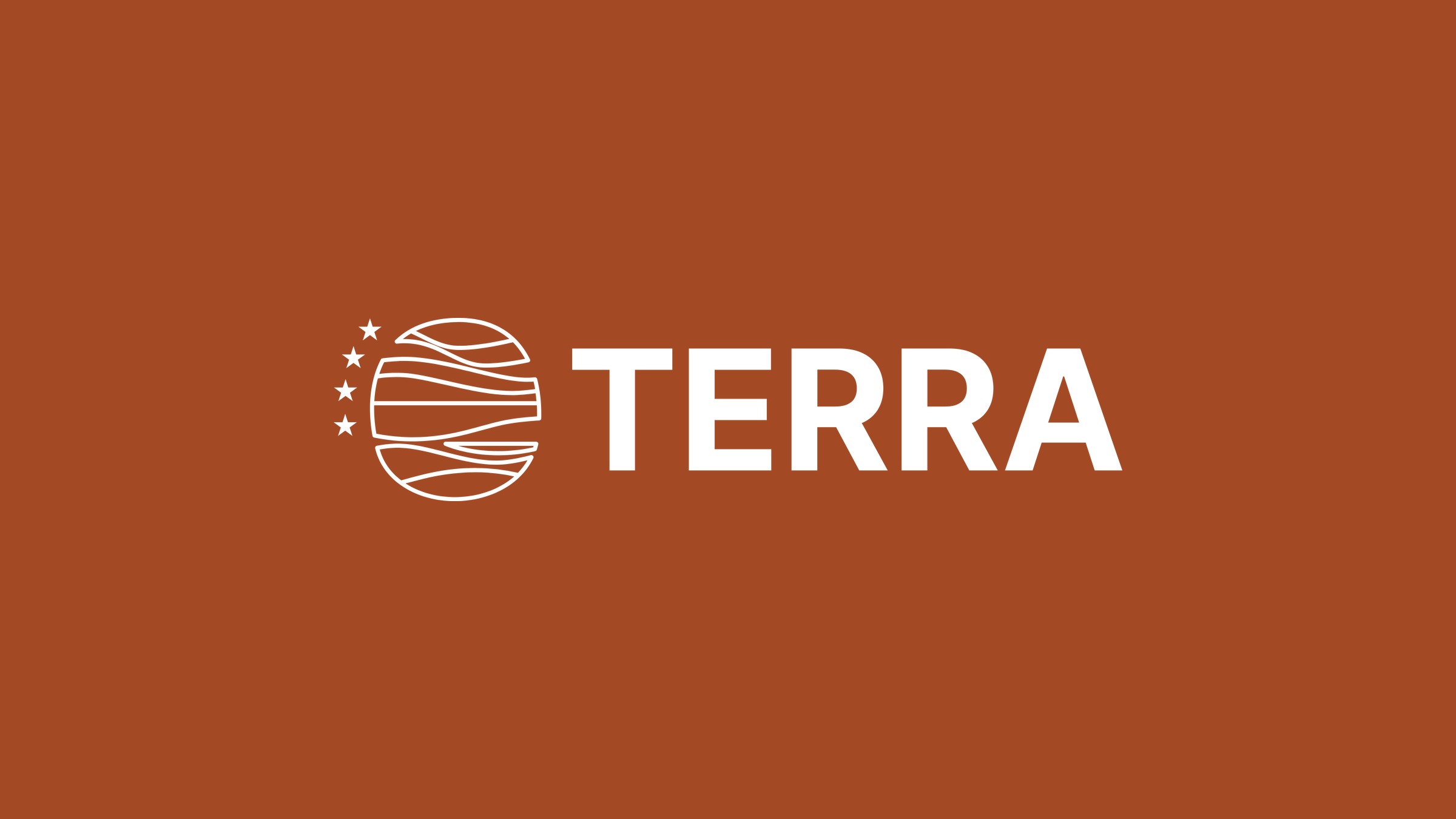
The symbol draws on the way earthen walls are built: rammed earth is laid in successive layers that show as horizontal bands on the finished wall. We gathered those strata into a sphere that also reads as the planet, a reminder that earth is one of the most sustainable materials to build with.
Stars along its edge bring in the European dimension of the programme. Next to the symbol, a solid wordmark keeps the name strong and legible on a website header, a roll-up or a slide.
The palette comes straight from the material: a terracotta red, a deep clay brown and a warm ochre, set on a light sand background.
Terracotta
#A34A24
Clay Brown
#4E1C19
Ochre
#C58C41
Brand applications
Ready for fairs and conferences
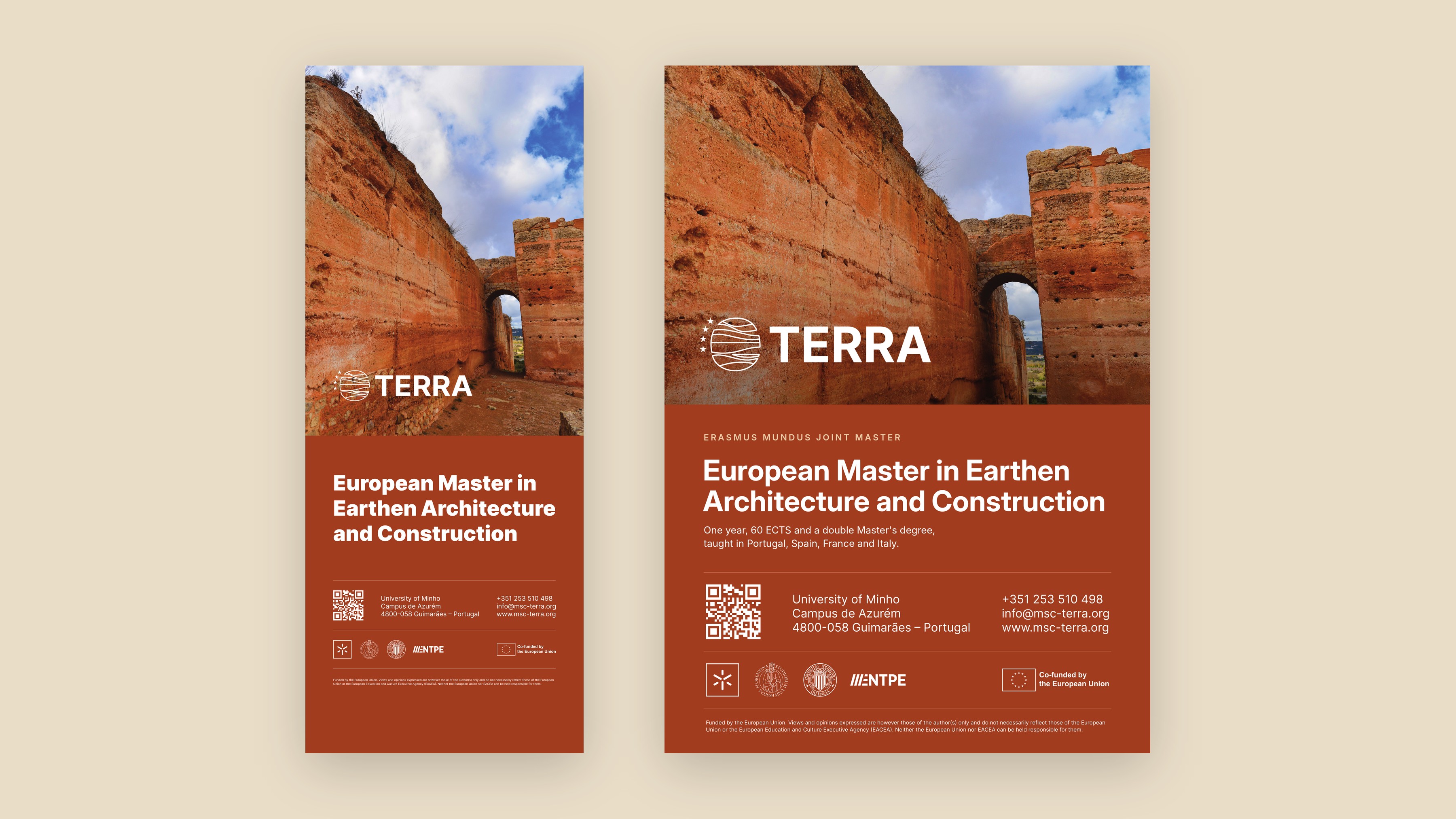
We designed an 85 x 210 cm roll-up and an A3 poster for TERRA at education fairs, conferences and campus events. A photograph of an earthen fortress wall carries the logo, while the terracotta panel presents the programme, the contacts with a QR code and the logos of the partner universities and the European Union.
Website
A clear path from first visit to application
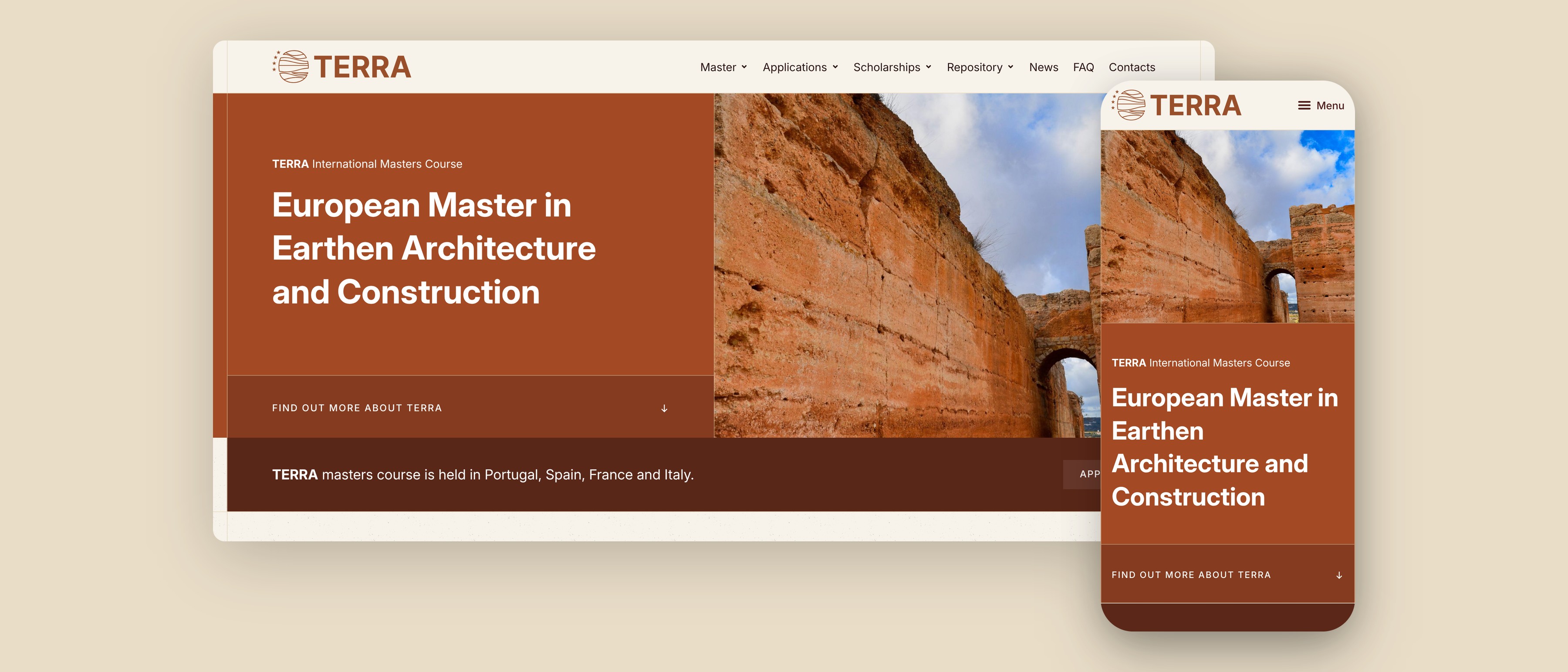
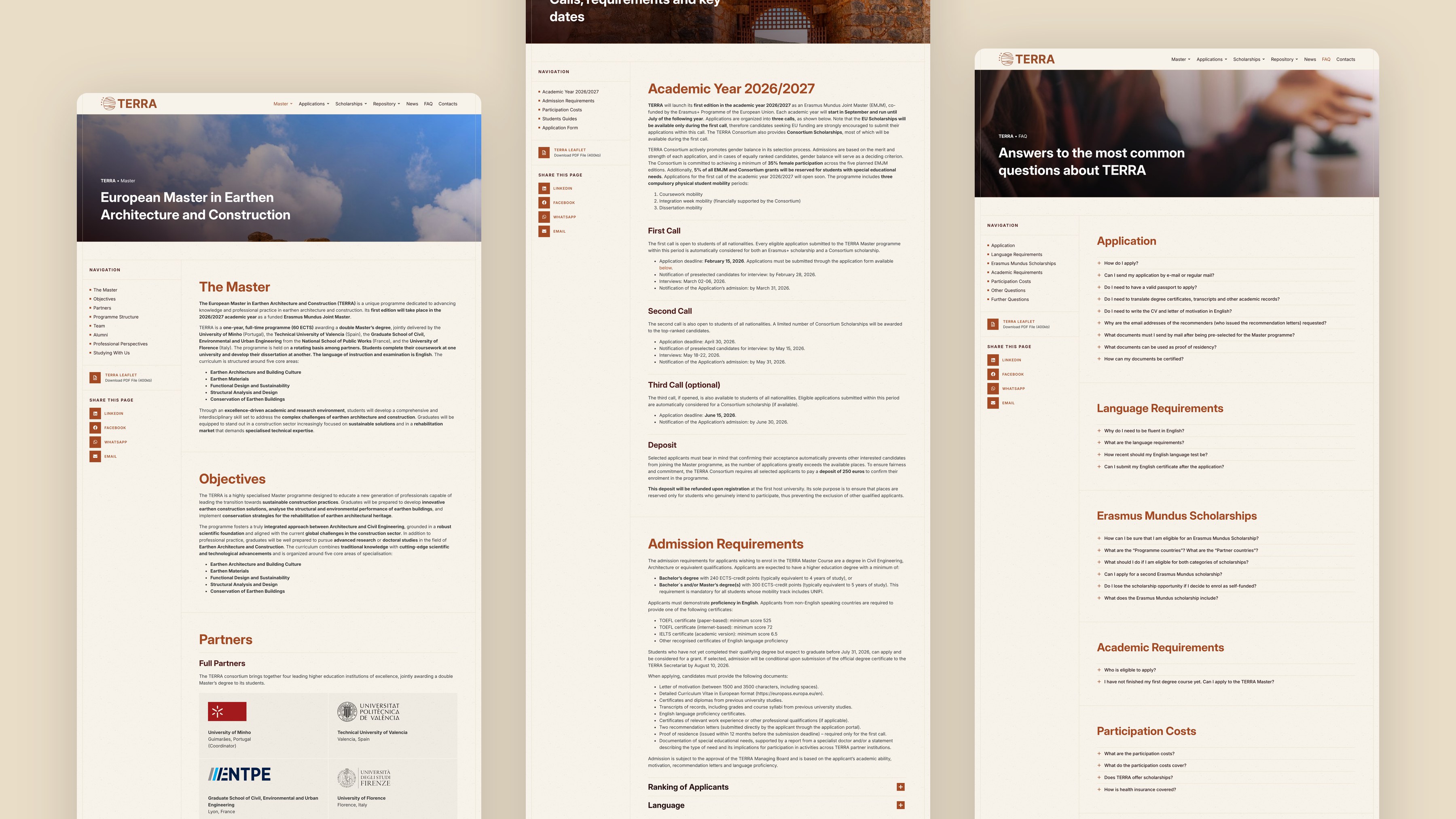
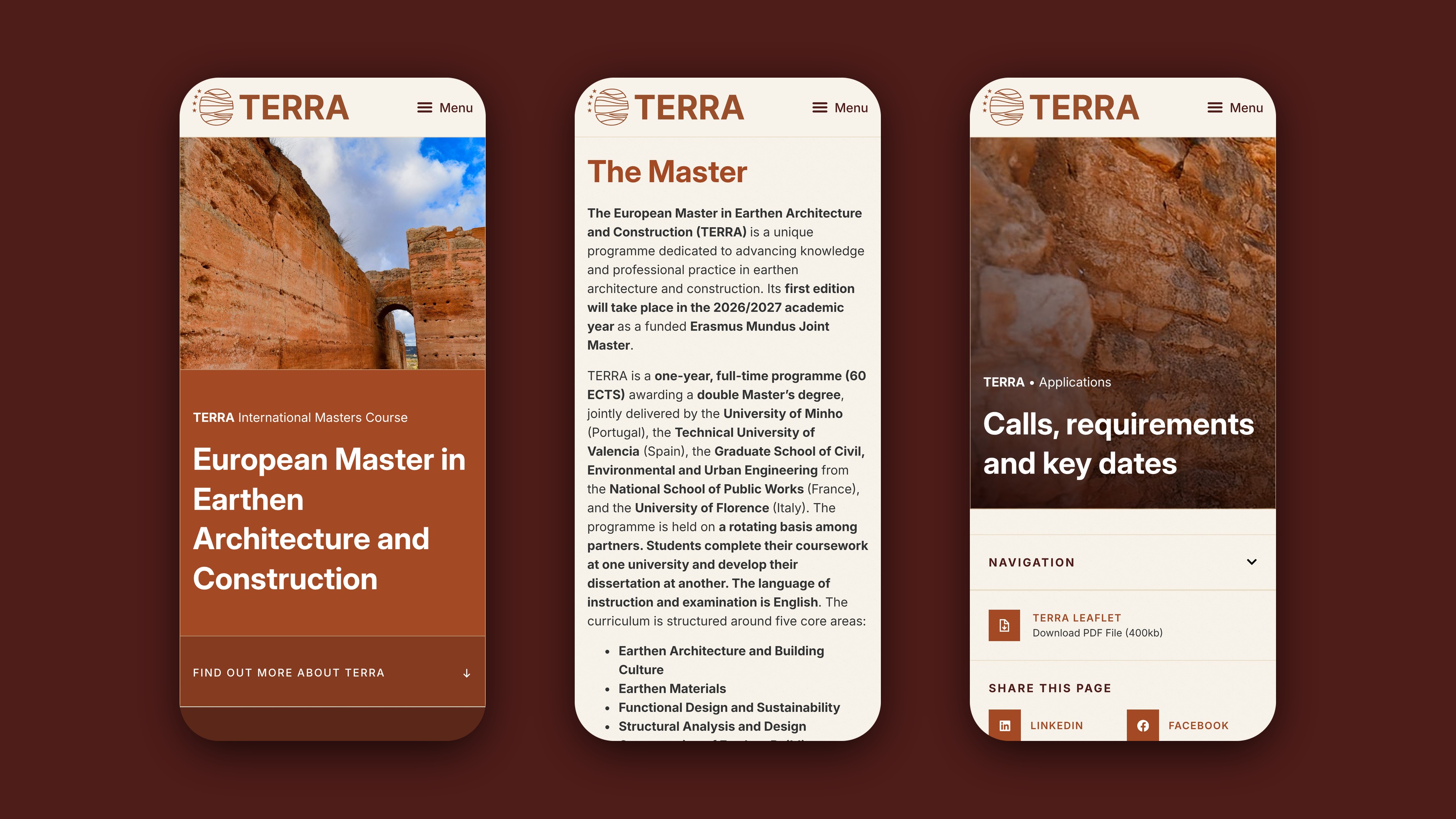
We organised the content around the questions candidates ask: what the Master is, how to apply, how to fund their studies, where to find documents and who to contact. The homepage introduces the programme and leads straight to applications, scholarships, the repository and the FAQ, with the latest news below.
Built on WordPress, the site is fully responsive, GDPR compliant and easy for the consortium to update. Long pages use a side navigation, accordions and share links, so a lot of information stays easy to scan.
Applications
Three calls with their deadlines, interviews and notifications, together with admission requirements, participation costs and the application form.
Scholarships
Erasmus Mundus and Consortium scholarships explained, with eligibility, amounts and other funding options.
Programme structure
The mobility tracks of each edition and the seven course units, each with its coordinator, description and learning objectives.
Team
Teaching staff from the four universities, with their roles, short bios and ORCID profiles.
Repository
Presentation and report templates, guides, the TERRA leaflet and, in time, the dissertations, ready to download.
FAQ
Answers to the most common questions on applications, language, scholarships, academic requirements and costs, grouped by topic.
E-learning
A Moodle platform for the programme
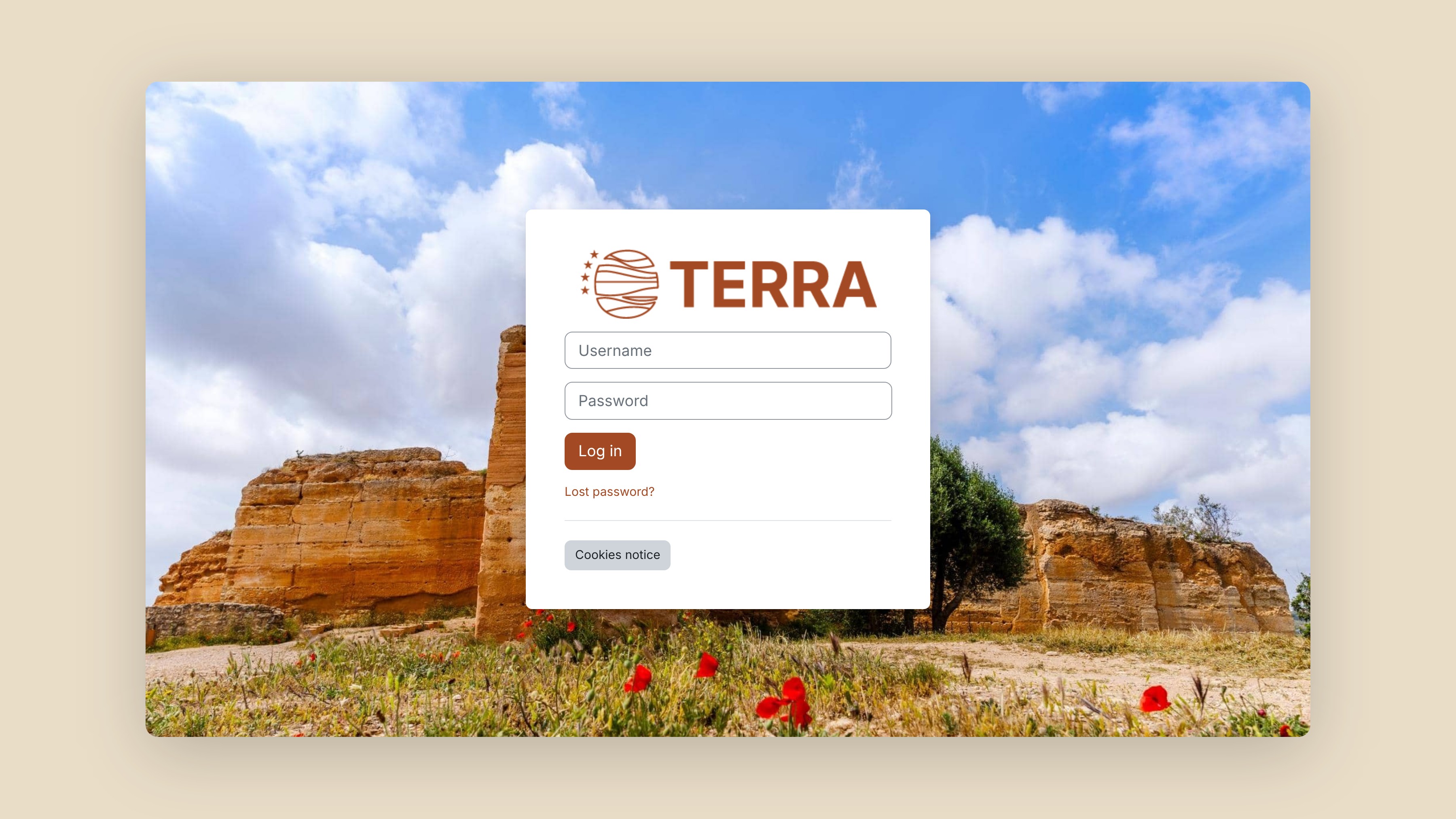
We also set up the TERRA Moodle platform, where students and teaching staff from the four universities share course materials and follow each unit. It carries the TERRA identity from the login page onwards, so the virtual campus feels part of the same programme.
The outcome
Ready for its first students
TERRA now presents itself with an identity rooted in its subject and a website that guides candidates from their first visit to the application form. The first edition starts in September 2026, with students moving between Portugal, Spain, France and Italy.
Have an institutional or scientific project of your own? Let's talk.